

The Complex Science Behind Caffeine

There’s no doubt that the reason why caffeine and cola is as popular as it is today is because of the invigorating effects it has on the body and mind, but not many people know exactly how it works to give you that famous buzz.

Most of us drink at least one cup of coffee a day or a can of cola to give us a pep in the afternoon, and it’s all thanks to caffeine that they manage to do the trick every time.

Although we regularly indulge in a caffeine hit every day, we don’t seem to know a lot about how it works its magic, but there’s actually a fine science behind how it works and what it does to our body and mind.

By learning more about how caffeine works and how to get the optimal amounts for the safest and healthiest effect, we can become smarter coffee drinkers and use this substance to the best of our ability.
The Complex Science Behind Caffeine

What Is Caffeine?

The Food and Drug Administration describes caffeine as a drug and a food additive, and that would certainly explain why most people feel they can’t live without their cup of coffee in the morning. Americans drink quite a bit of caffeine each day in various forms, on average about 300mg, which equates to two cups of coffee a day.

As our brains are made up of a complex mix of cells, hormones, and tissues that all work together, the one thing that helps to control it all and carry the signals from our brains to our bodies is the neurotransmitter.

When we drink coffee or cola, or anything caffeinated, these chemical processes that occur can be changed somewhat and in particular, the one that regulates how tired we are.

The Stimulating Effect Of Caffeine And How It Works

Adenosine is a chemical that occurs which tells our body how tired we are once it’s been accumulated, and by having caffeine in your bloodstream it can block up the receptors for this chemical and trick your body into thinking that it’s adenosine.

This means when you should be feeling tired the signals aren’t being sent to the receptor, thanks to the power of caffeine, and so you feel more energetic than usual.

The key way that caffeine works is by stimulating the central nervous system so that you feel amazing benefits both mentally and physically. However, after a large dose of caffeine, many people report a crashing feeling, and this is due to the built up adenosine finally making its way through and causing you to feel tired and drowsy.

How Much Caffeine Is Safe?

When taken in large doses, there can be some adverse reactions that caffeine can cause, but it all depends on the individual. As some people seem to have built up a tolerance to the stimulant or just be better at handling it in large doses, there are others who will feel almost instant side effects after finishing their cup of coffee.

According to the experts, there are some guidelines we should all be adhering to in order to avoid a caffeine overdose, but each of us is different. Here is the recommended amount of caffeine we should have a day, according to Mayo Clinic:

  • 400mg a day for healthy adults
  • 0mg a day for children and teenagers
  • Less than 200mg a day for pregnant women

These are obviously just guidelines, as only the individual will know if they begin to experience any adverse side effects before they reach their daily limit.

Having too much caffeine can cause terrible side effects including depression and anxiety, racing thoughts, and heart problems, so you should never exceed your daily recommended limit. People might even find they experience caffeine withdrawal if they go a day without, which can cause headaches in some.

  • The Positive Effects Of Caffeine
    The main reason that caffeinated drinks are so popular here and through the rest of the world is thanks to the health benefits that this substance has. Here are a few positive benefits that you can expect to find when you stick to or below your recommended daily limit for caffeine:
  • Increased Energy
    The short-term effect of caffeine is why most people enjoy it each morning, giving you sharpened concentration and more energy to get up and start your day.
  • Lower Risk Of Cancer
    Drinking two cups of coffee a day has been proven to reduce the risk of mouth, throat and liver cancer, which is good news for everyone who loves their morning caffeine.
  • Reduced Risk Of Parkinson’s
    Apparently drinking four or five cups of coffee a day will reduce your risk of developing Parkinson’s disease, according to a Harvard study published in 2015.
  • Lower Risk Of Diabetes
    A 2014 Harvard study showed that those who had increased the amount of coffee they drank over the last four years were 11 percent less likely to develop diabetes.

A Powerful Substance When Used In Moderation

Just like anything in life, caffeine will give you the best of its benefits when it’s used in moderation and to the recommended guidelines. Anyone who’s had too many cups of coffee before will be able to tell you about the terrible side effects it can bring, including anxiety, heart palpitations, and insomnia, so it’s best to keep your consumption at a safe amount.

Caffeine has so many positive benefits for both body and mind, and harnessing the effects of this natural substance can do you wonders. Whether you’re looking to improve brain activity, get a boost of energy in the morning, or help to ward off disease and illness, caffeine is a simple and natural way that you can achieve it all.

Original source: https://mypressmart.com/the-complex-science-behind-caffeine/
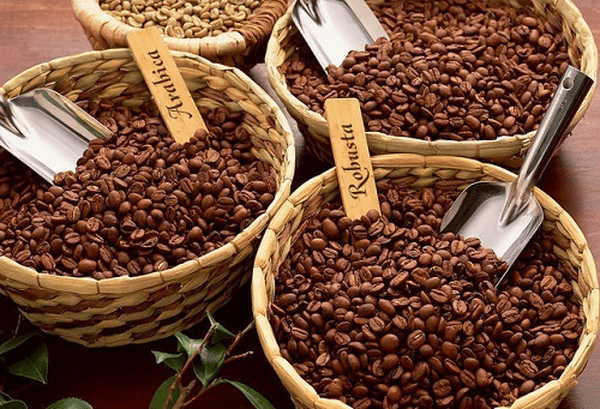
Difference Between Arabica and Robusta Beans

Not many people give much thought to the type of beans they’re brewing or drinking, with most of the names sounding like gibberish almost. Two of the most common species of coffee beans are Coffea Arabica and Coffea Canephora, also referred to as Coffea Robusta.

With coffee being such a personal taste and something that drinkers of it are completely loyal to when they find their preference, it’s no wonder that everyone seems divided over which is best in the Arabica vs Robusta debate. Each species of coffee has its own pro and cons for the drinker, so it’s time to weigh up the facts and see what they can offer to you.

We’ve compiled this handy comparison so that you’ll be able to tell the difference between Arabica and Robusta beans, pointing you in the right direction to your favorite bean. With a bit more background information about what makes these beans so special, you’ll be enjoying your coffee just as you like it.

How Were The Beans Discovered?
Before we can delve into the difference between their tastes and textures, it’s helpful to learn more about how each bean was discovered. Coffea Arabica is believed to have been the first species of coffee to ever be cultivated and translates to “coffee shrub of Arabia”.

Arabica beans account for around 60 percent of the world’s coffee consumption so it appears to be the favorite. Robusta, on the other hand, accounts for the remainder of the global consumption and is in a close second place for popularity.

French colonists introduced the Robusta species in Vietnam during the late 19thcentury and it still continues to be the most popular choice in the country, known for its global coffee exports. Because Robusta is easier to cultivate and has a greater yield, it’s generally cheaper to produce.

The Difference In Taste Between Robusta And Arabica Coffee
So, what is it that makes these species of coffee so unique, and why do they divide so many caffeine lovers? Arabica is a popular choice in western countries because it has a milder and aromatic taste and smell to it and can come in quite varied flavors.

When looking at the flavors of the Robusta bean, you might find that they are more bitter and intense, which suits many coffee lovers just fine. Some say there is a slightly burnt aroma to Robusta beans but for some drinkers, they prefer the intensity and acidic taste that it offers.

One key factor to note is that Arabica coffee contains significantly more lipids, around 60 percent, and even has a higher concentration of sugar in each bean. It’s likely that these factor into why some people prefer the taste of Arabica to Robusta because it’s naturally sweetened, but again that won’t appeal to every palette.

The Caffeine Levels Of Each
If you’re the kind of coffee lover who doesn’t care what you drink, as long as it’s strong and keeps you pepped up, you’ll probably opt for the powers of the Robusta bean. With a whopping 2.7 percent, caffeine content compared to the milder 1.5 percent that Arabica beans offer, these beans have almost double the amount of caffeine and double the kick.

You’ll be guaranteed a boost of energy when you drink a cup of Robusta, however again some people might not appreciate that much of a boost from just one cup of coffee. Again, it all comes down to personal taste and what you hope to get out of your coffee each morning. Knowing this will point you in the right direction for choosing your best brew.

The Price Difference Between Beans
As mentioned earlier, it’s been proven that Robusta beans are cheaper to produce and this is due to how much the crop yields and how easy they are to grow. This means that the costs are then passed down to the consumers and you’re able to purchase the beans for a significantly lower price than Arabica beans.

Usually, purchasing green Robusta beans will cost half the price of purchasing the same amount of Arabica, so the difference is quite significant.

Those who have a passion for coffee, though, are rarely deterred by the price, and so if you prefer the milder taste and effects of Arabica beans then you’ll be happy to pay a little extra.

If you’re making your own coffee at home you’re likely already saving yourself quite a bit of money from not visiting cafes and coffee houses, so spending a little extra on the beans you prefer won’t matter.

A Personal Preference For Coffee Lovers
Although we can all agree that coffee is our favorite drink, and everyone around the world will certainly agree, the fact is there are many forms and variations that it can take. Choosing between Arabica beans and Robusta beans is just one option that you have to pick from when deciding what your favorite brew of coffee is, and it all comes down to personal taste.

If you’re someone who likes their coffee with a kick and doesn’t feel as if they’re getting the genuine coffee experience unless it has that dark and bitter taste to it, then Robusta beans are for you. However, for a milder and smoother coffee experience that might take a couple more cups to get the full effects of, you’ll want to opt for the Arabica bean.

Whichever you choose there’s no doubt that you’ll stay loyal to how you drink your morning cup of coffee for years, as all coffee aficionados know that they’re quite loyal once they’ve found their preference. As the two leading coffee bean species in the world, you’re sure to find one you prefer, and stay faithful to that bean for the rest of your coffee drinking career.

Original source: https://mypressmart.com/difference-between-arabica-and-robusta-beans/